There is no universal day when driving after whiplash becomes safe. Discuss whether you can check traffic, operate the vehicle, stay alert, and react normally; pain relief alone does not establish readiness, especially with dizziness or a possible concussion.
Educational information from NJ Pain and Injury Center. This article is not a diagnosis, individualized treatment advice, or emergency care. Treatment and return-to-activity decisions require an appropriate clinical assessment.
In this article
- Which abilities does driving require?
- Why do dizziness and head symptoms matter?
- What role do medicines and work demands play?
- How can rehabilitation support the decision?
Which abilities does driving require?
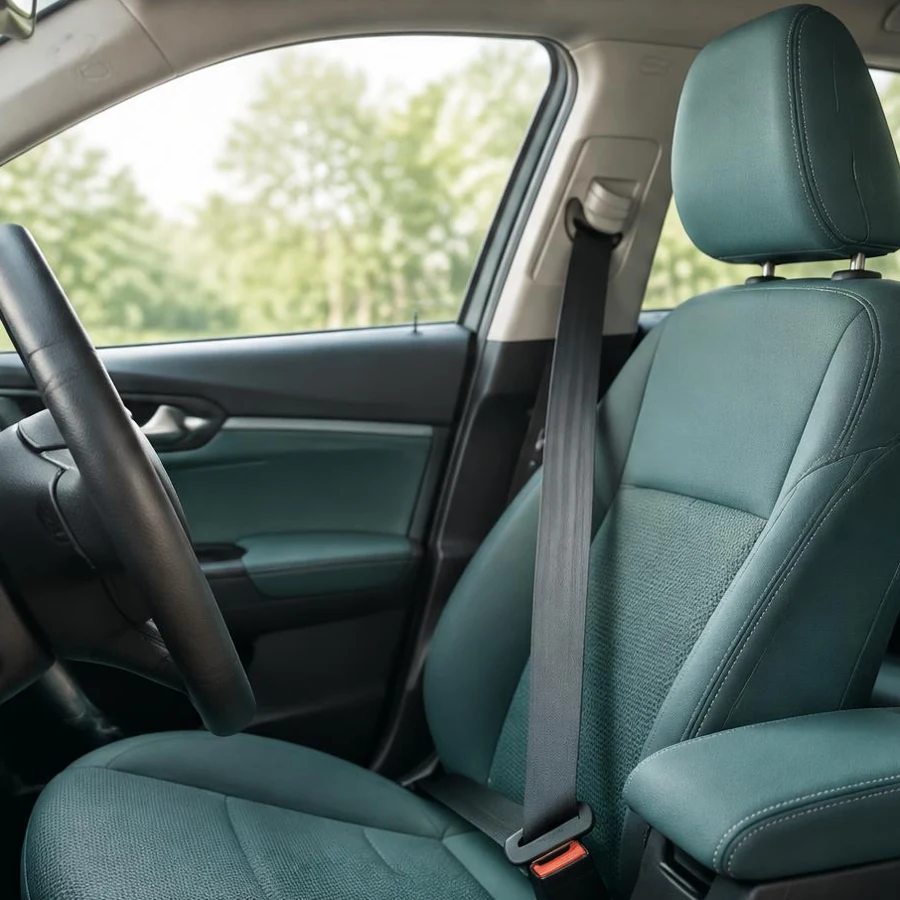
Driving combines sustained sitting with head turns, arm movement, braking, visual awareness, and concentration. A movement that is manageable in an exam room may still be uncomfortable in a seatbelt or during repeated traffic checks. Explain the type of driving you need to resume.
Avoid testing your readiness in live traffic when you already know your movement or alertness is impaired. Ask your clinician whether a driving-specific assessment or other medical follow-up is appropriate.
Why do dizziness and head symptoms matter?
A collision can cause symptoms beyond neck strain. Headache, dizziness, slowed thinking, or trouble concentrating may need evaluation for concussion or another condition. Do not assume they will resolve after a neck treatment.
CDC discharge guidance for mild traumatic brain injury advises following medical instructions about returning to activities such as driving. Tell the clinician about visual problems and any head injury history so your plan addresses those concerns directly.
What role do medicines and work demands play?
Read medication warnings and ask the prescriber or pharmacist about effects on alertness. A medicine that reduces pain may also make driving unsafe. Do not drive after taking a sedating medicine simply because the painful movement now feels easier.
A short local trip and driving as part of your job are different demands. Commercial or occupational driving may have additional requirements. Your care team’s medical advice does not replace licensing, employer, or insurer requirements.
How can rehabilitation support the decision?
Physical therapy can assess movement limitations and work on appropriate functional goals after evaluation. Ask which abilities are improving and which still need attention. Do not use a lower pain score as the only checkpoint.
NJ Pain and Injury Center offers injury recovery care; arrange transportation if you cannot drive safely to the office. Seek emergency care for severe worsening headache, confusion, repeated vomiting, or new weakness after a crash rather than waiting for rehabilitation to address them.
Common questions
Can mirrors replace turning my head?
Mirrors are important, but they are not a reason to ignore restricted movement or unsafe traffic checks. Discuss driving readiness with your clinician.
Can I drive as soon as pain medication works?
Not necessarily. Medication effects, alertness, movement, and other injury symptoms all matter.
Discuss your recovery with the clinic
Explore auto accident injury care and choose the office that works for your travel needs. Confirm appointment availability and coverage directly; no specific recovery result is guaranteed.
- Englewood Spine & Injury Center
- Totowa Spine & Injury Center
- Bergen Pain & Injury Center in Hackensack
- Hudson Injury Center in West New York
- Newark Injury Center
Related reading
- Returning to Desk Work After an Auto Injury: A Practical Plan
- Your First Physical Therapy Visit After a Car Accident: What to Bring